
Documenting Daily Life in Tokyo: A Street Photography Guide
Updated: Oct 8, 2025
Why Is Tokyo Perfect for Daily Life Photography?
Tokyo is a city where tradition meets modern energy. From quiet shrines to neon-lit avenues, every street tells a story. As a photographer in Japan, documenting these daily scenes means capture preserving emotions, gestures, and cultural details.
For me as a Tokyo family photographer, these moments also provide authentic backdrops for photography sessions in Tokyo, whether it’s families in kimono, couples on dates, or travelers exploring iconic neighborhoods.

When Is the Best Time to Photograph Tokyo’s Streets?
The mood of Tokyo changes dramatically with the seasons, giving photographers endless inspiration:
Spring (March–April): Cherry blossoms frame parks and temples, perfect for Tokyo kimono photo sessions.
Summer (June–August): Festivals and neon nights, ideal for candid street photography.
Autumn (Sept–Nov): Warm foliage colors in Ueno Park or Yanaka’s old streets, perfect for family photo sessions in Japan.
Winter (Dec–Feb): Illuminations and cozy street scenes, great for couples or family sessions.
Every season offers unique tones and atmospheres, so booking a Japan photography session in Tokyo ensures your memories are timeless.
Where Are the Best Places for Daily Life Photography in Tokyo?
Asakusa (Tradition and Rituals): Home to Senso-ji Temple and kimono rentals, Asakusa is ideal for kimono photo sessions in Tokyo. Families and travelers love it for its cultural depth.
Shibuya & Shinjuku (Urban Pulse): Bustling with energy, these areas are perfect for Tokyo street photography and candid couple photos. The lights, crowds, and izakayas create dramatic contrasts.
Yanaka & Ueno (Old Tokyo Charm): Narrow alleys, traditional houses, and artisan shops make these areas excellent for kimono family photo sessions in Japan.
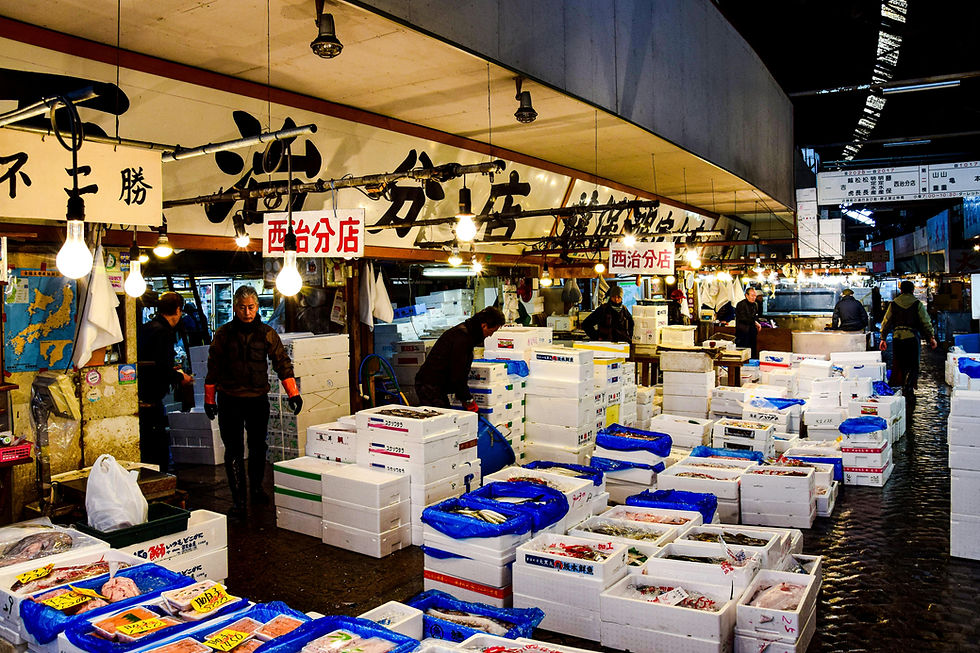
Local Markets (Tsukiji & Ameya-Yokocho): Everyday moments between vendors and locals offer vibrant, authentic scenes of Tokyo life.
What Gear Works Best for Tokyo Street Photography?
When it comes to street photography, portability and speed matter. I always trust my Sony Alpha camera system with G Master lenses for sharpness and low-light performance.
My go-to setup:
Sony 35mm f/1.4 GM: Perfect for candid portraits with natural background separation.
Sony 24–70mm f/2.8 GM II: Versatile for both wide shots and family sessions.
Sony 85mm f/1.4 GM: Beautiful for close-ups and intimate portraits.
Travelers don’t need professional equipment, but booking a photography session in Tokyo with Soredenacho to ensures your story is documented with professional precision.
Where is Street Photography Most Popular in Tokyo?
Street photography in Tokyo is incredibly diverse, and each neighborhood offers a unique atmosphere for capturing daily life. If you are planning photography sessions in Tokyo, you’ll find that Shibuya, Shinjuku, and Asakusa are among the most popular districts for photographers. These areas not only attract tourists but also locals, making them perfect spots for family photo sessions in Japan or even a themed kimono photo session in Tokyo.
Shibuya: Known worldwide for the Shibuya Crossing, this area is ideal for dynamic and energetic shots. Street performers, neon lights, and crowds provide the perfect backdrop for lifestyle and travel photos. Many visitors also schedule family photography sessions in Tokyo here to capture the energy of modern Japan.
Shinjuku: Famous for its nightlife and vibrant streets, Shinjuku is where photographers can document Tokyo’s urban soul. From the bustling business district to Omoide Yokocho’s narrow alleys, the contrasts are striking. Couples often choose this area for Tokyo photography sessions that highlight and modern Japan.
Asakusa: If you’re seeking a more traditional feel, Asakusa is the place. The iconic Senso-ji Temple and surrounding streets create a timeless setting for a kimono photo session in Tokyo or even a kimono family photo session in Japan. Here, traditional architecture blends beautifully with daily street life, making it a favorite for both tourists and professional photographers.
In short, whether you’re drawn to the modern buzz of Shibuya, the vibrant nightlife of Shinjuku, or the cultural heritage of Asakusa, each location offers something unique for your photography session in Tokyo. Choosing the right district depends on whether you want a contemporary urban vibe or a traditional Japanese atmosphere in your photos.

Do I Need to Pay for Street Photography in Tokyo?
When planning street photography in Tokyo, many visitors wonder if it’s free or if certain areas require payment. In general, street photography sessions in Tokyo are free when done in public spaces such as Shibuya Crossing, Shinjuku streets, or Asakusa temples. However, some traditional spots, especially when combined with a kimono photo session in Tokyo or kimono family photo session in Japan, may require a photography permit or an entry ticket. For example, private Japanese gardens, shrines, and cultural venues often charge a small fee for professional photography sessions in Tokyo.
Which locations in Tokyo require a fee for photography sessions?
While most family photo sessions in Japan and casual street shoots are free in public areas, some famous spots have specific rules. For example:
Shinjuku Gyoen National Garden: requires an entry fee, and professional photography sessions in Tokyo inside may need permission.
Meiji Shrine: entry is free, but commercial kimono photo sessions in Tokyo may need approval.
Traditional rental studios or cultural houses: usually require booking and payment, especially popular for kimono family photo sessions in Japan.
Private venues in Asakusa or Ueno: often charge for professional photography to preserve the cultural setting.
If you’re looking for a natural, lively background, places like Shibuya Crossing or Shinjuku’s neon alleys are free and perfect for street photography in Tokyo. But if your goal is a more cultural vibe with kimono photo sessions in Tokyo, you should expect some locations to have fees or permit requirements.
How to Plan a Street Photography Session in Shibuya, Shinjuku, or Asakusa
Exploring Tokyo with your camera is an unforgettable experience. Each district offers a unique atmosphere for photographers, whether you love busy city life, neon lights, or traditional culture. Here’s how to plan your street photography session in the most iconic areas:
Shibuya: The Heart of Tokyo’s Energy. If you want to capture the pulse of modern Tokyo, Shibuya is the perfect place. Plan your photo walk during the evening rush hour at the Shibuya Scramble Crossing, one of the busiest intersections in the world. From above, like Starbucks Shibuya or Shibuya Sky Observatory, you can shoot dramatic overhead views. On the street level, highlight Tokyo’s youthful fashion and dynamic culture.
Shinjuku: Neon Nights and Urban Vibes. For photographers who love nightlife, Shinjuku is the ultimate spot. The district comes alive after sunset, especially in Kabukicho, famous for neon lights and buzzing nightlife. Wander into smaller alleys to capture izakayas and locals socializing. During the day, don’t miss Shinjuku Gyoen Park, where greenery and calm contrast beautifully with the city chaos.
Asakusa: Tradition Meets Photography. If your photography leans toward culture and history, Asakusa is a must-visit. Arrive in the morning when the light is soft and the crowds are still small. Around Senso-ji Temple, you’ll find endless subjects: traditional Japanese architecture, bustling markets, and even kimono rental shops where visitors dress in authentic outfits.
Practical Tips for Tokyo Street Photography
Bring a fast lens (f/1.8 or wider) to capture low-light moments in Tokyo.
Keep your gear light, you’ll be walking a lot in Shibuya, Shinjuku, and Asakusa.
For hidden angles and local stories, consider booking a Tokyo street photography tour with a professional photographer.
How much does a professional street or kimono photo session in Tokyo cost?
If you’re planning a professional street or kimono photo session in Tokyo, it’s important to know the estimated cost and available packages. Many travelers look for an affordable yet high-quality Tokyo photoshoot experience that includes not only photography but also the option of kimono rental in Japan. Here’s a breakdown to guide you:
Professional Photoshoot Packages in Tokyo
At Soredenacho Photography Tokyo, a professional street photography session starts from ¥32,000 for a 1-hour package.
Longer sessions are also available, such as a 2-hour photo tour in Tokyo priced at ¥48,000, perfect if you want to explore multiple shooting spots.
For couples or solo travelers, these packages provide an authentic experience with a Tokyo-based professional photographer who knows the best hidden photo locations.
Kimono Photo Session Option
While the photography packages do not include kimono rental, Soredenacho can help arrange kimono rental services in Tokyo and Kyoto.
Average kimono rental prices range from ¥10,000 to ¥15,000, depending on the kimono design, accessories, and rental duration.
This option allows you to combine a traditional Japanese kimono photoshoot in Tokyo with modern street photography, creating a truly unique memory.
Why Choose Soredenacho
The team specializes in Tokyo travel photography, ensuring you get high-quality edited images.
They also offer guidance for booking kimonos and can connect you with trusted local shops for a seamless experience.
Whether you want a Tokyo street style shoot, a traditional Asakusa kimono photo session, or a Kyoto kimono rental photoshoot, the service is flexible to your travel plans.
If you’d like to see package details and book directly, you can check here: Soredenacho Prices.

FAQ: Tokyo Street & Family Photography
1. How much does a photography session in Tokyo cost?
Prices vary depending on the duration and package. On average, family photo sessions in Japan with Soredenacho start around ¥35,000–¥90,000. Booking early ensures better availability, especially in sakura and autumn seasons.
2. Do I need a professional photographer in Tokyo?
Not required, but hiring one means you can enjoy the experience while your memories are beautifully documented. Many travelers prefer booking a Tokyo vacation photoshoot for stress-free results.
3. Can families do photoshoots in Tokyo?
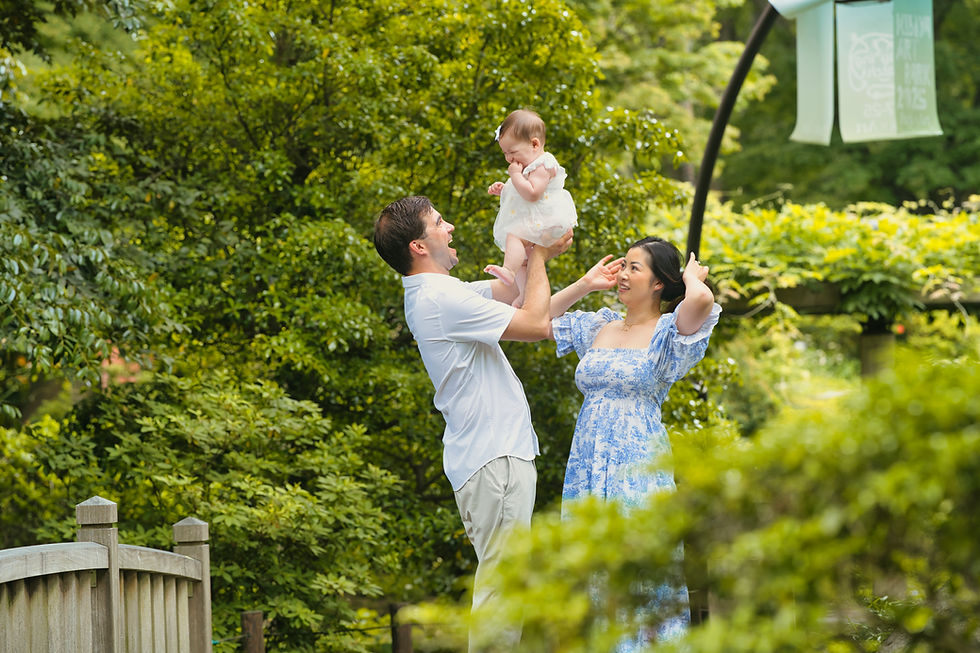
Absolutely! Many families book Tokyo family photo sessions in places like Ueno Park, Asakusa, or Shibuya to capture candid and posed moments together.
4. Where can I rent a kimono for a photoshoot in Tokyo?
Popular kimono rental shops are located in Asakusa, Shinjuku, and near Meiji Shrine. Combining a kimono photo session in Tokyo with sightseeing makes for authentic cultural memories.
5. Are kimono photoshoots only for women?
No, kimono photo sessions are for everyone: men, women, couples, and entire families. Kimono family photo sessions in Japan are especially popular for tourists.
6. Which is better for photography: Tokyo or Kyoto?
Tokyo offers urban street energy, while Kyoto highlights tradition and temples. Many visitors combine both by booking a Tokyo photo session and a Kyoto kimono photoshoot during one trip.
7. What are the best spots for street photography in Tokyo?
Top choices include Shibuya Crossing, Asakusa, Yanaka, and Tsukiji Market. Each gives a different flavor of Japan’s daily life.
8. Can I book a last-minute photography session in Japan?
Yes, though popular seasons like cherry blossoms and autumn foliage fill quickly. Advance booking is highly recommended for guaranteed slots.
9. What should I wear for a family photoshoot in Tokyo?
Comfortable clothes or a rented kimono/yukata. Neutral tones work well against Tokyo’s colorful backgrounds, while kimonos highlight tradition.
10. Can a photoshoot be combined with sightseeing?
Yes! Many of my clients book half-day sessions covering iconic spots while enjoying Tokyo. It’s sightseeing and professional photography in one experience.
11. Do photographers in Tokyo speak English?
Yes! Most of my clients are international tourists looking for Tokyo photo sessions or Kyoto portrait photography while traveling in Japan.
12. What camera is best for photographing Tokyo?
Visitors can use smartphones for casual shots, but as a professional I rely on Sony Alpha cameras and G Master lenses for sharpness and low-light performance.
Author Bio
I’m Nacho, a Tokyo-based photographer specializing in street, family, and cultural photography. Using my Sony Alpha system, I document both the vibrant and quiet sides of Japan, creating authentic stories for travelers, couples, and families. Whether you’re looking for a kimono photo session in Tokyo or a family photo session in Japan, I’ll help capture your journey with timeless images.

Comments